
Gainer During Cutting: Does It Help
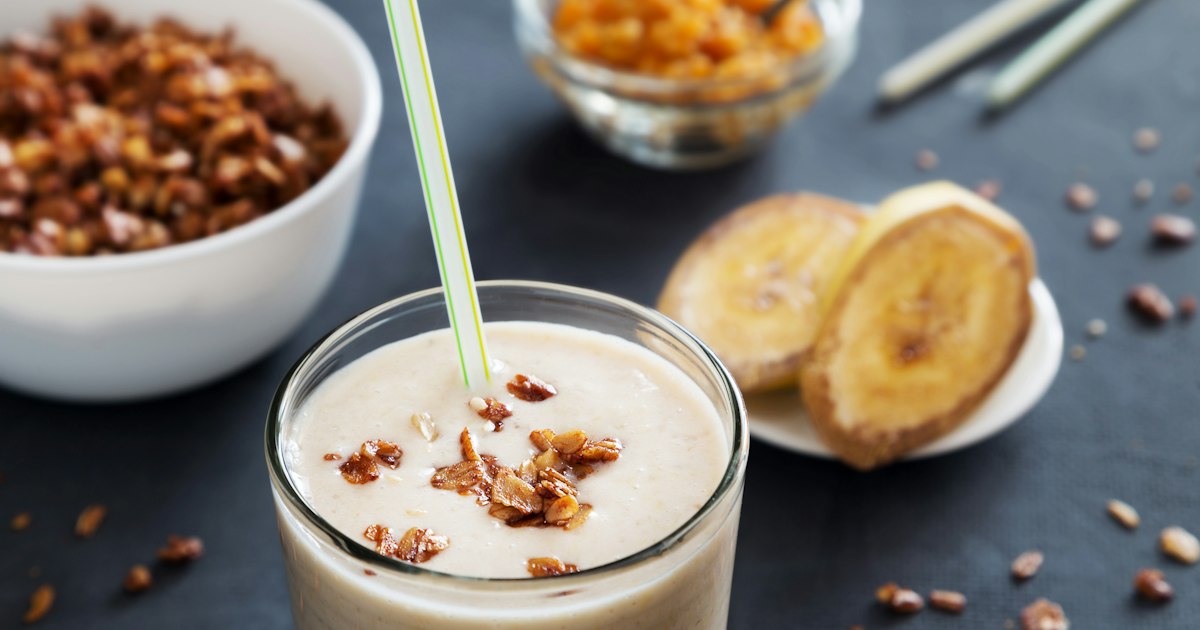
“Cutting” and a gainer sound like opposites: one is about reducing fat, the other about gaining mass. Yet in gyms the question regularly comes up of whether a small serving of gainer might help preserve muscle during a calorie deficit. Our editorial team looked into what physiology and research say and in which rare cases such an idea makes sense.
What cutting is from a physiological standpoint
In bodybuilding, “cutting” refers to a period when a person deliberately reduces the proportion of fat in the body while trying to preserve as much muscle tissue as possible. Physiologically this always means one thing: an energy deficit, that is, a state in which calorie intake is less than expenditure. Without a deficit, fat tissue does not decrease, no matter which supplements are used.
A deficit creates stress for the body. Leptin levels fall, the thyroid gland’s function changes, spontaneous physical activity drops, and muscles come under threat of catabolism — the breakdown of proteins to cover energy needs. The larger the deficit and the lower the body-fat percentage, the higher this risk.
The review by Helms, Aragon, and Fitschen (2014) on the preparation of natural bodybuilders recommends moderate rates of weight loss — roughly 0.5–1% of body weight per week — as a compromise between speed and muscle preservation. Too aggressive a deficit more often leads to loss of lean mass and a drop in strength.
It is in this context that the idea of a gainer appears: the notion that carbohydrates and calories will “protect” muscle. But the key question here is whether such a supplement will destroy the very deficit for which the cut is being done.
Why a gainer conflicts with a calorie deficit
A typical serving of gainer contains 400–1000 kcal depending on the manufacturer and the number of scoops. For a person whose deficit during a cut is 300–500 kcal per day, one serving can “eat up” all of it. The result is predictable: weight stalls, and the person thinks the “cut isn’t working.”
The second problem is the distribution of macronutrients. In a calorie deficit every calorie counts, and it makes sense to prefer foods that provide the most protein, micronutrients, and satiety per unit of energy. A gainer, where most of the energy comes from maltodextrin and sugars, loses out by these criteria even to ordinary oatmeal with cottage cheese.
The third point is satiety. Liquid calories are less filling than solid food with the same composition: a person drinks a shake and is hungry again within an hour. During a cut, where hunger is already the main enemy of discipline, this is an additional argument against high-calorie drinks.
Finally, fast carbohydrates cause a marked spike in insulin, after which some people experience hunger and cravings for sweets. For some this is unnoticeable, for others it becomes a cause of breakdowns.
What really preserves muscle during a cut
The most evidence-based defender of muscle during a deficit is sufficient protein. The review by Helms and colleagues and later work by Hector and Phillips (2018) indicate that trained people on a cut should consume roughly 1.6–2.4 g of protein per kilogram of body weight, and lean athletes in a deep deficit closer to the upper limit.
The second factor is strength training. It is precisely mechanical load that signals to the muscles that the tissue is needed. If during a cut you sharply reduce working weights and switch to “light pump work,” the body more readily sacrifices muscle. Maintaining intensity while moderately reducing volume is the standard recommendation.
- Protein:1.6–2.4 g/kg per day, split across 3–5 meals.
- Strength training:maintaining working weights and technique.
- Moderate pace:0.5–1% of body weight per week.
- Sleep and recovery:lack of sleep worsens the loss of lean mass during a deficit.
- Carbohydrates around workouts:to maintain intensity, but within the calorie budget.
Carbohydrates during a cut are not the enemy: they support glycogen stores and work capacity. However, it is more effective to get them from food — grains, fruits, vegetables — which additionally provides fiber, vitamins, and satiety.
Exceptions: when a carbohydrate mix is appropriate
There are athletes for whom “cutting” means not a bodybuilder’s reduction of fat to a minimum, but a small weight correction amid very high energy expenditure. A cyclist or triathlete who trains 15–20 hours a week can, even in a deficit, expend so much energy that a carbohydrate mix around training is a sensible way to preserve the quality of work.
The second exception is fighters and athletes in weight categories in the phase after weigh-in. Here rapid restoration of glycogen and fluid takes priority, and carbohydrate-protein mixes can be appropriate, although this is no longer cutting in the classic sense.
| Situation | Is a gainer appropriate? | Comment |
|---|---|---|
| Cutting in bodybuilding/fitness | No | Destroys the deficit, little protein per calorie |
| Weight correction in endurance sports | Sometimes | Small servings around long workouts |
| Recovery after weigh-in | Yes, short-term | The goal is glycogen and fluid, not fat loss |
| Very low appetite during “recomposition” | Rarely | Better protein + food |
In all these cases, a serving of gainer must be counted within the total calorie budget, not added “on top.” Otherwise even justified use turns into a source of hidden surplus.
Practical alternatives to a gainer
If the goal is to preserve muscle during a cut, the simplest replacement for a gainer is whey protein or casein. A serving of 25–30 g of protein contains about 110–130 kcal and covers a significant part of the protein requirement without destroying the deficit.
To maintain training intensity, you can plan part of your dietary carbohydrates for a meal 1–3 hours before training and after it. This gives the same effect that people expect from a gainer, but in a controlled way and with better satiety.
Those who find it hard to get enough protein can make a simple shake: protein, low-fat milk or water, berries. It is much lighter than a gainer and at the same time tasty, which helps to endure a long deficit.
Finally, it is worth paying attention to “hidden” calories from drinks: juices, sweet coffee drinks, alcohol. Often it is precisely these, and not a lack of supplements, that prevent a cut from going according to plan.
Editorial conclusions
For a classic cut, a gainer is a poor choice: it easily covers the calorie deficit, provides little protein per unit of energy, and is not filling.
Muscle during a deficit is preserved by sufficient protein, strength training at sufficient intensity, a moderate pace of weight loss, and sleep. Carbohydrates are useful, but it is better to get them from food.
The exceptions apply to athletes with a very large training volume and to specific situations such as recovery after weigh-in.
We also recommend our articles “Protein During Cutting,” “How Much Protein You Need in a Calorie Deficit,” and “Gainer During Bulking: Does It Make Sense.”
References
- Helms ER, Aragon AA, Fitschen PJ. Evidence-based recommendations for natural bodybuilding contest preparation: nutrition and supplementation. J Int Soc Sports Nutr. 2014;11:20.
- Hector AJ, Phillips SM. Protein recommendations for weight loss in elite athletes: a focus on body composition and performance. Int J Sport Nutr Exerc Metab. 2018;28(2):170–177.
- Aragon AA, Schoenfeld BJ, Wildman R, et al. International Society of Sports Nutrition position stand: diets and body composition. J Int Soc Sports Nutr. 2017;14:16.
- Jäger R, Kerksick CM, Campbell BI, et al. International Society of Sports Nutrition position stand: protein and exercise. J Int Soc Sports Nutr. 2017;14:20.
- Thomas DT, Erdman KA, Burke LM. American College of Sports Medicine Joint Position Statement. Nutrition and athletic performance. Med Sci Sports Exerc. 2016;48(3):543–568.
- Burke LM, Hawley JA, Wong SH, Jeukendrup AE. Carbohydrates for training and competition. J Sports Sci. 2011;29(Suppl 1):S17–S27.
Andriy Melnyk
A strength-sports coach and author of programs for beginner and intermediate levels. Writes about training planning.